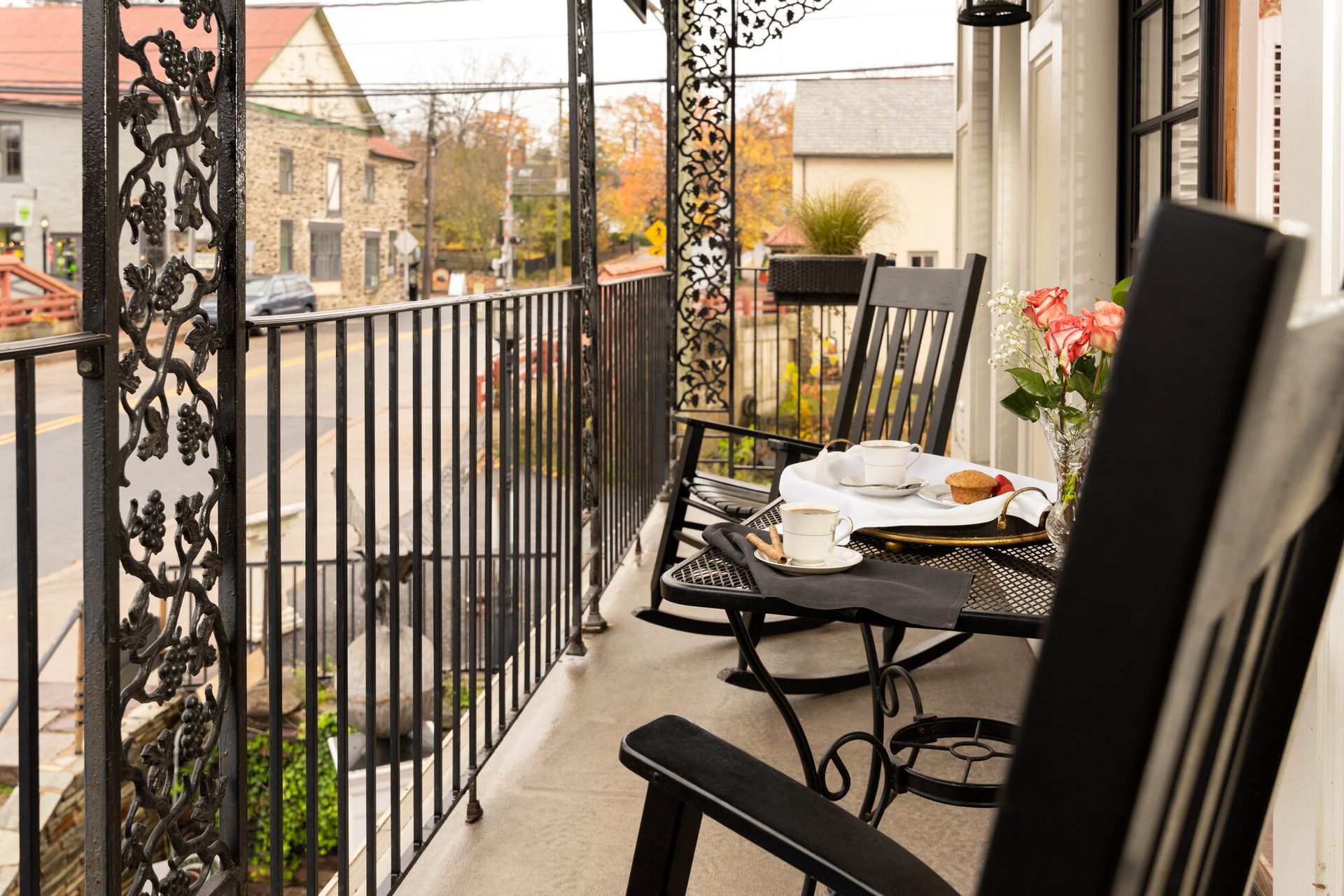
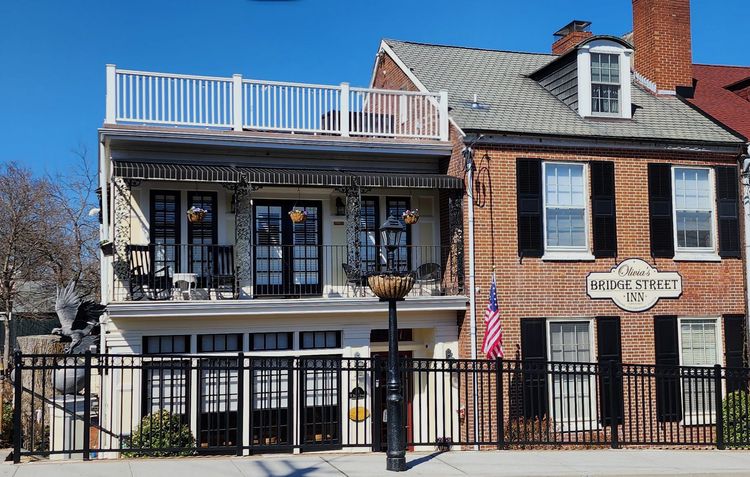
Olivia’s Bridge Street Inn has welcomed guests to the heart of New Hope for generations. Built in 1817 along the Delaware Canal, our Georgian-era inn reflects the character, charm, and enduring spirit of Bucks County.
About Olivia's Bridge Street Inn
In 1817, William Maris—one of the original founders of New Hope, Pennsylvania—built a residence alongside its canal. The building remained a private residence until 2006 when James and Celeste Manitta purchased it with plans to build a bed and breakfast in the quaint town. Four years later they built an addition onto the original structure that perfectly blended old and new—keeping much of its original charm and doubling its size. In April of 2011, the couple opened their 8-room bed and breakfast and named it after their young daughter, Olivia.
The rooms of the Inn were named after many of the resident’s owners and inhabitants over nearly two centuries. Today, guests from near and far have parked their cars and their cares for the duration of their stays at Olivia’s Bridge Street Inn.
A HISTORIC CANAL-SIDE INN
New Hope, Pennsylvania rests along the western bank of the Delaware River, about thirty-five miles north of Philadelphia. Long before it became a beloved destination, this land was home to the Lenni-Lenape Native Americans and later part of William Penn’s “Penn’s Woods” in the seventeenth century.
In the early 1700s, settlers established mills along the river, and in 1722 John Wells began ferrying travelers across the Delaware along the Old York Road—the vital route between Philadelphia and New York City. The town became a natural halfway point for weary riders, and inns such as the original Ferry Tavern (now the Logan Inn) welcomed travelers after long journeys by coach or saddle.
The village changed names several times—Wells Ferry, Canby’s Ferry, and Coryell’s Ferry—each reflecting its ferry operators. But it was events just downriver that would forever shape the region’s legacy. On December 25, 1776, George Washington and his troops crossed the icy Delaware River nearby, surprising Hessian forces at Trenton in one of the Revolution’s most defining moments. Today, Washington Crossing Historic Park commemorates that pivotal night each year.
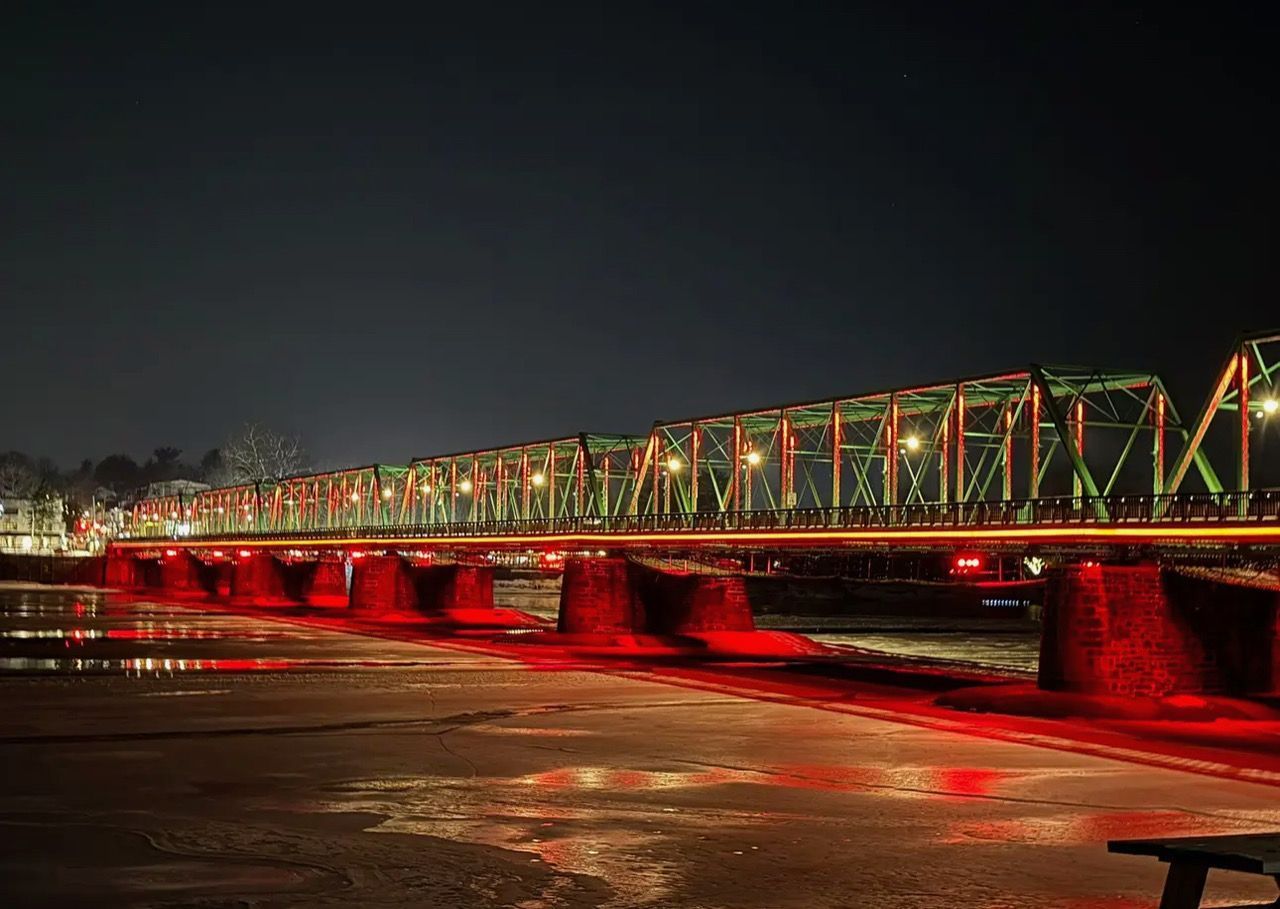
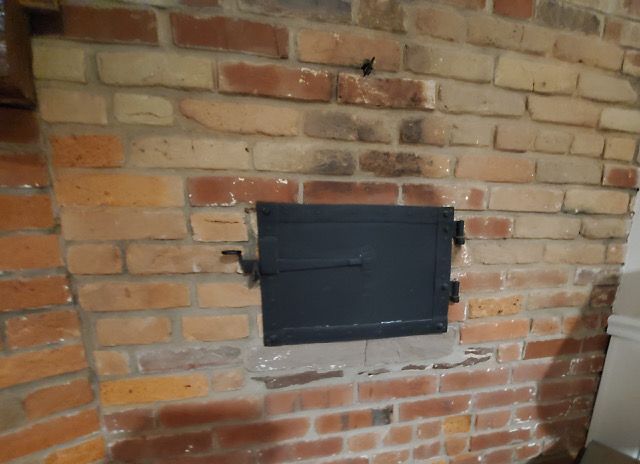
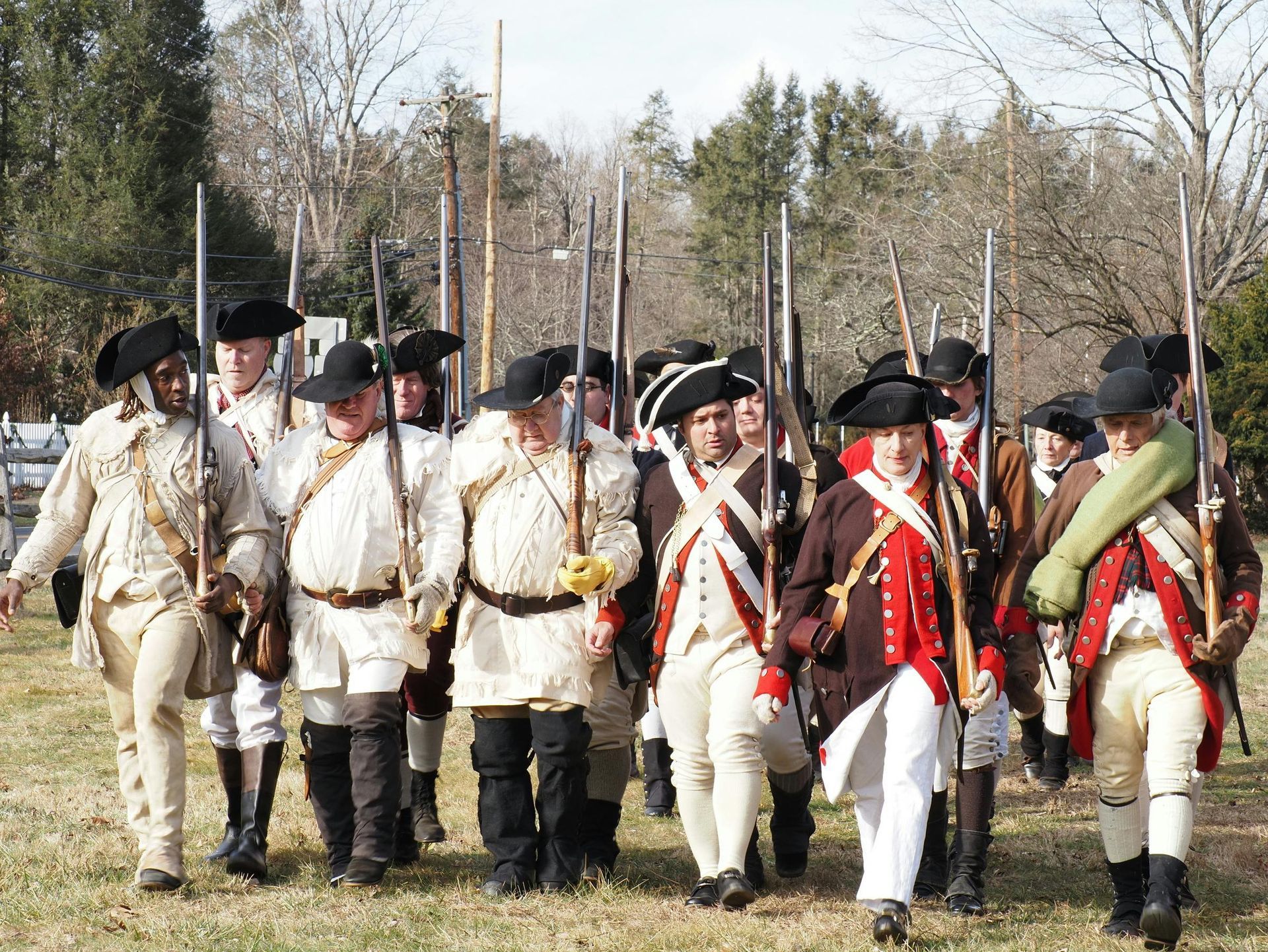
By the late 1700s, Benjamin Parry—often called the “father of New Hope”—transformed the area’s economy. He expanded milling operations, helped finance the Delaware Canal, supported the building of the first bridge to New Jersey, and played a central role in the town’s prosperity. When Parry’s mills burned in 1790, he rebuilt them within a year, naming them the “New Hope Mills.” The town soon adopted the name—a reflection of resilience that endures today.
The opening of the Delaware Canal in 1832 brought growth and trade, with thousands of boats traveling its waters each year. Though railroads later replaced canal commerce, the towpath remains—now a scenic trail for walkers and cyclists tracing the same riverbank that once powered the town’s industry.
The arrival of the New Hope & Ivyland Railroad in 1891 further connected the town, and today it continues to offer scenic excursions through Bucks County countryside.
More than a century later, New Hope still preserves its 300-year-old character. Covered bridges dot the surrounding countryside, Georgian architecture lines Main Street, and Benjamin Parry’s mansion remains a centerpiece of the town. What began as a ferry crossing and mill town has become a vibrant riverside community known for its arts, culture, and enduring charm.
The story of bucks county and new hope
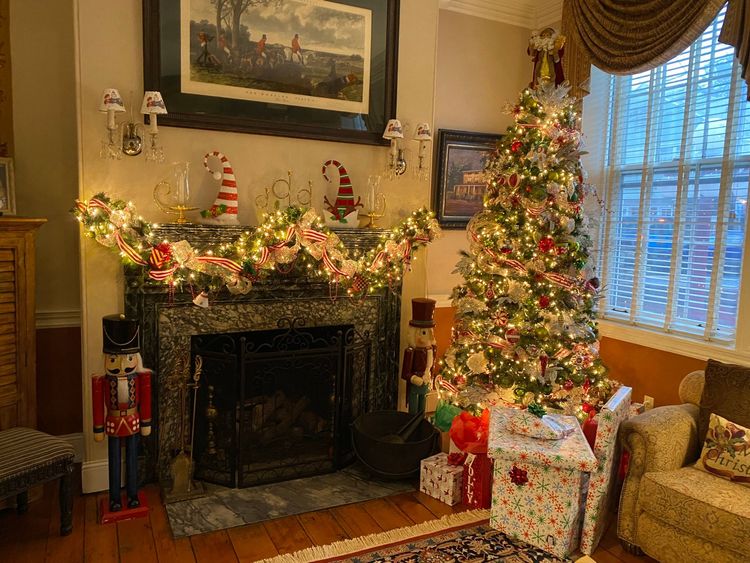
Each season brings its own beauty to the inn and to New Hope. Spring awakens the canal path with blooms and river breezes. Summer evenings glow from the rooftop deck as town life hums below.
Autumn fills the towpath with color and crisp air. Winter brings festive lights, quiet canal strolls, and a peaceful stillness. We invite you to experience Olivia’s throughout the year.
olivia's through the seasons
For details about reservations, guest policies, parking, or frequently asked questions, please visit our Information page.